

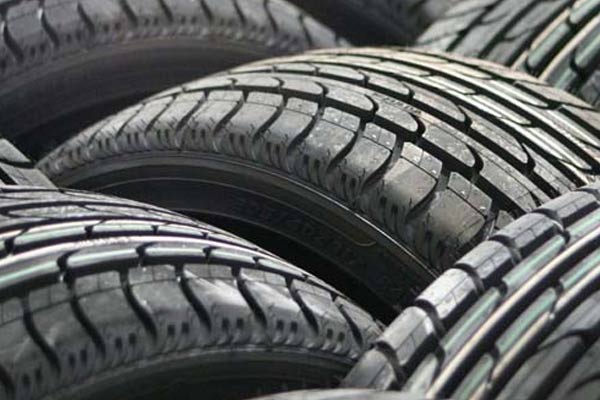
Tyre recycling is a critical process aimed at repurposing used tyres that are no longer suitable for vehicular use due to wear and tear or damage. Addressing the challenge posed by the vast volumes of discarded tyres, we employ innovative technologies such as ambient mechanical grinding and cryogenic methods to recycle tyres in bulk. This enables us to transform them into a multitude of valuable by-products. For instance, recycled rubber finds applications in playgrounds, athletic tracks, and various construction materials, while steel wires are utilised in manufacturing high-tension springs and wire products. Additionally, textile fibres derived from recycled tyres serve diverse purposes, including construction mixes, carpet underlay, and sound-dampening materials.
NON-FERROUS METALS
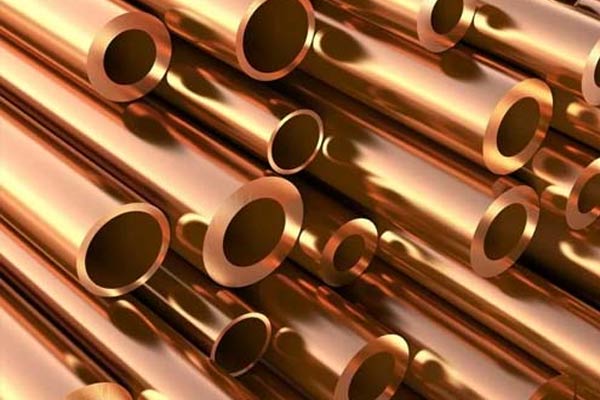
Comprising metals such as aluminium, copper, lead, and zinc, non-ferrous metals play a crucial role in various industries. Annually, our customers recover millions of tonnes of non-ferrous scrap, supplying smelters, refiners, and foundries with essential raw materials. Recycling these metals not only sustains industrial processes but also contributes significantly to environmental conservation. For example, substituting aluminium scrap for primary production materials drastically reduces carbon dioxide emissions by up to 80%. Similarly, the utilisation of recycled copper, lead, nickel, and zinc yields significant reductions in carbon emissions, ranging from 65% to 90%.
HMS (HEAVY MELTING STEEL)
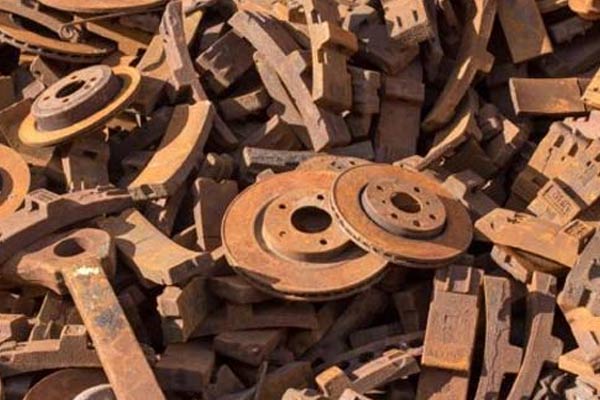
HMS represents one of the most extensively recycled materials globally. Recovered from end-of-life items such as equipment, machinery, and transportation containers, scrap iron and steel contribute significantly to sustainable steel production. The recycling of scrap steel offers notable environmental benefits, including reduced energy consumption, water usage, and emissions compared to traditional iron ore processing methods. With its unique ability to be recycled multiple times, steel recycling enhances resource efficiency while mitigating environmental impact.